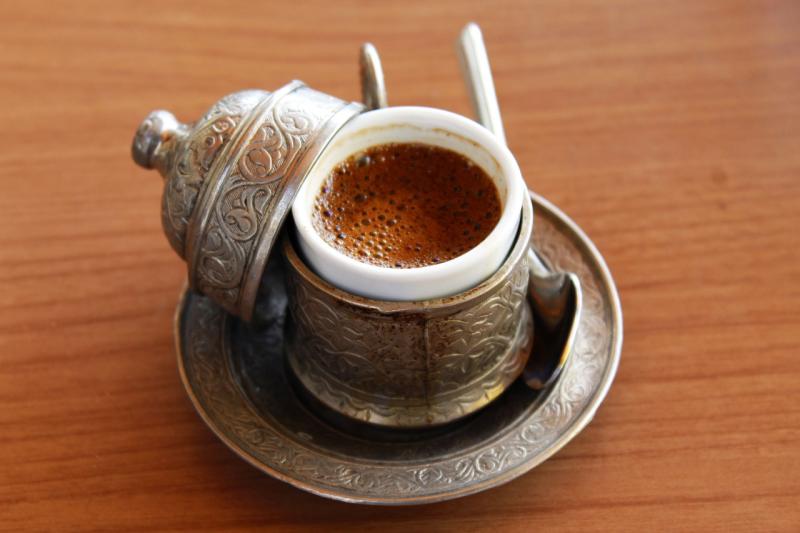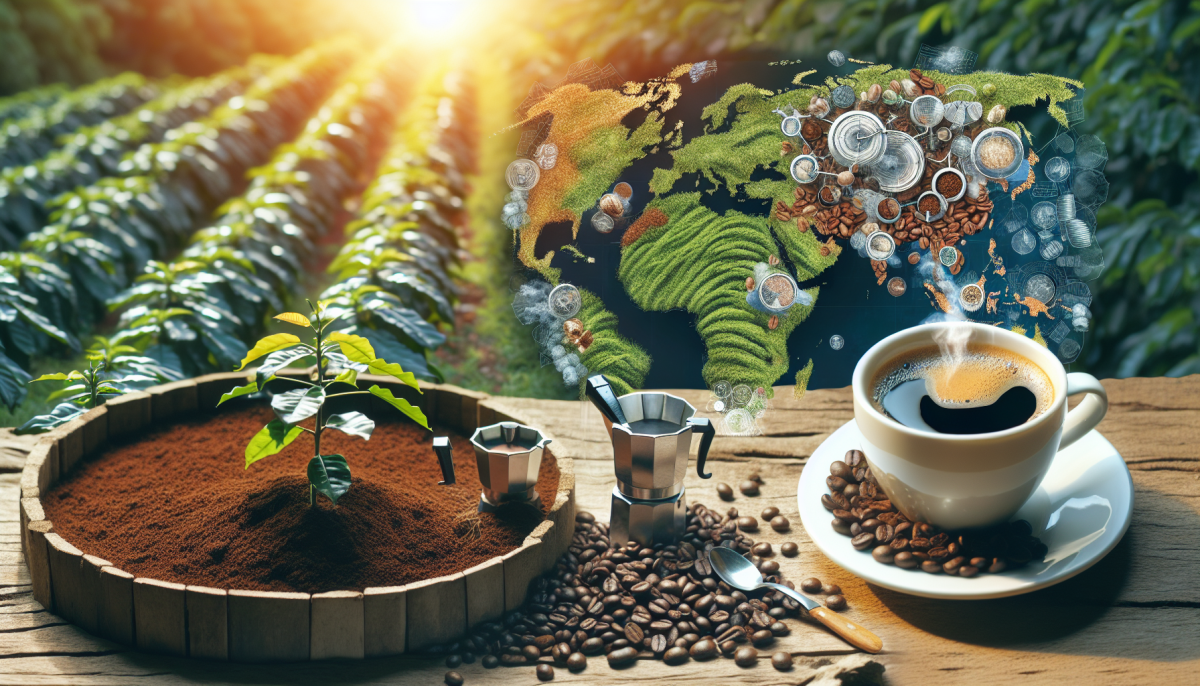
Coffee culture has a rich history that goes back centuries. It all began in the ancient coffee forests of Ethiopia, where legend has it that a goat herder named Kaldi discovered coffee beans after noticing his goats becoming unusually energetic after munching on them. He shared his findings, and soon the beans made their way to the Arabian Peninsula.
In the 15th century, coffee was flourishing in Yemen. Coffee houses, known as qahveh khaneh, popped up, becoming hotspots for socializing, conversation, and even political discussion. Picture this: people gathered over steaming cups, discussing everything from poetry to the latest news. These coffee houses became places of connection, and that tradition continues today.
From the Middle East, coffee spread to Europe in the 17th century. Coffee houses became all the rage, especially in cities like London and Paris. These spots weren't just about sipping coffee; they blossomed into venues for intellectual exchange. Writers, artists, and thinkers stirred up ideas while enjoying their brews. The coffee house became a pillar of social culture in many societies.
Fast forward to modern times, and coffee culture has exploded globally. You can find everything from cozy local cafes to large chains serving countless variations of coffee drinks. Whether you’re a fan of a traditional espresso or a trendy cold brew, coffee brings people together. It’s not just about the drink; it’s the experience, the atmosphere, and a love for sharing a moment with friends or a good book.
Coffee’s Journey Around the Globe
Coffee has come a long way since its discovery. It all started in Ethiopia, where a goat herder named Kaldi noticed his goats bouncing with energy after munching on coffee cherries. That energetic vibe sparked curiosity, leading to the drink we love today.
Once coffee made its way to the Arabian Peninsula, it started to gain popularity in the 15th century. People would gather in coffee houses, enjoying conversations and sharing ideas over a cup. These coffee houses became known as "penny universities" since for just a penny, you could learn about politics, philosophy, and culture.
As trade routes opened up, coffee spread to Europe in the 17th century. It quickly became a social staple. Imagine bustling cafés filled with people engaging in lively discussions! Famous figures like Voltaire and Rousseau were often spotted sipping their favorite brews. Coffee wasn’t just a drink; it played a central role in shaping society.
Fast forward to today, and coffee is a global phenomenon. From a simple cup at home to specialty cafes serving unique blends, coffee has evolved into an essential part of daily life. With different regions producing their own unique flavors, there's always something new to explore in the world of coffee!
How Coffee Changed Daily Routines
Coffee has definitely found its way into our daily lives, changing the way we kick off the day. Think about it: that morning ritual of brewing a fresh cup gets us out of bed and ready to tackle whatever comes our way. From sleepy heads to energized go-getters, coffee plays a huge role in waking us up and setting the mood for the day ahead.
But it’s not just about the caffeine. Coffee shops have turned into social hubs where friends meet up, coworkers collaborate, and first dates happen. It creates a space for conversation and connection, and who doesn’t love sipping a delicious latte while chatting with a friend?
Even our work culture has been influenced by coffee. Many offices have embraced a coffee culture, with break rooms stocked with different blends. Take a coffee break, refuel, and go back at it! It’s all about that short pause to recharge. When you think about it, coffee gives us a moment to breathe in a busy workday.
And let’s not overlook how coffee has teamed up with technology! Apps that order your favorite brew have made grabbing coffee faster and easier than ever. With just a few taps on your phone, your drink is ready when you arrive. It fits perfectly into our fast-paced lives, allowing us to stay caffeinated no matter how busy we get.
The Impact of Coffee on Society
Coffee isn’t just a delicious beverage; it’s a cultural phenomenon that has shaped societies around the world. From the bustling cafés of Paris to vibrant coffee stalls in Ethiopia, it has brought people together for centuries.
Historically, coffee houses served as hubs for social interaction and political discourse. Back in the 17th century, they were known as "penny universities" because for the price of a cup, anyone could engage in conversations about ideas, news, and debates. These lively spots fueled the Age of Enlightenment, inspiring thinkers like Voltaire and Rousseau to share their revolutionary thoughts.
Fast forward to today, and coffee still plays a crucial role in our daily lives. Many of us start our mornings with a cup in hand, using it as a ritual to wake up and kickstart our day. Coffee culture has evolved, influencing how we socialize, work, and experience leisure time. Places like local coffee shops have become community gathering spots, fostering connections and creating a sense of belonging.
Let’s not overlook the economic impact either. Millions of farmers in countries like Colombia, Brazil, and Vietnam rely on coffee as their primary source of income. The coffee trade supports a vast network of jobs ranging from farming to roasting, and it drives economies in both developing and developed nations. Plus, the rise of the specialty coffee industry has opened up new opportunities for sustainable practices, giving consumers a chance to support ethical sourcing.