It’s wild to think that coffee has been around for centuries, weaving its way through the fabric of ancient civilizations. Many historians trace coffee’s origins back to Ethiopia. Legend has it that a goat herder named Kaldi discovered the stimulating effects of coffee beans when his goats got a little too energized after munching on them. Can you imagine watching your goats do the cha-cha after a caffeine boost?
From Ethiopia, coffee made its way to the Arabian Peninsula, where it found a cozy home in the Islamic culture. By the 15th century, coffee was not just a drink; it was a social event! Coffee houses, known as qahveh khaneh, popped up, becoming hot spots for chatting, discussing politics, and even enjoying music. These places were like the original community centers, bringing people together over a cup of joe.
As coffee spread to Europe in the 17th century, it sparked a revolution of its own. It was often called the “bitter invention of Satan” by those who feared its effects. But most people loved it, and coffee houses became the trendy spots for intellectual debates. Think of it as a precursor to today’s cafes where ideas brew just as much as the coffee does.
Over the years, coffee's popularity only grew. It played a role in trade routes, influenced economies, and even sparked revolutions. In places like France, coffee was a symbol of enlightenment. Imagine thinkers like Voltaire sipping their brews while discussing philosophies that would shape nations. Coffee wasn’t just a beverage; it was a catalyst for change, driving conversations that changed the direction of history.
The Age of Exploration and Coffee
The Age of Exploration was a time when brave adventurers set sail to discover new lands and trade routes. Coffee played its part in this exciting chapter of history. Imagine sailors, fueled by the promise of a caffeinated brew, navigating treacherous waters and forging connections between continents. As they journeyed, coffee became more than just a drink; it turned into a hot commodity.
When explorers like Vasco da Gama and Christopher Columbus reached distant shores, they encountered coffee in its native regions. The aromatic beans caught their attention, and they quickly realized this wasn’t just any old beverage. It was a stimulant that kept them alert on long voyages, a luxury item to trade, and a new cultural experience to bring back home. The buzz surrounding coffee spread like wildfire.
As trade routes expanded, coffee found its way to Europe. Coffeehouses popped up in cities, becoming hubs for social gatherings, political discussions, and cultural exchanges. These coffeehouses attracted thinkers, artists, and innovators who shared ideas over a cup. Some even call them the original coworking spaces! This new culture changed the way people interacted and contributed to the Enlightenment era.
By the time the Age of Exploration wrapped up, coffee wasn’t just a drink; it was an integral part of daily life and society’s evolution. The beans crossed oceans, passed hands, and became a staple in homes and cafes worldwide. That journey of coffee, from exotic land to every corner of the globe, is a testament to its role in shaping culture, trade, and friendships along the way.
Coffee's Role in Social Movements
Coffee has always been more than just a morning ritual. Throughout history, it’s played a key role in bringing people together and igniting social movements. Think about it: coffeehouses were the go-to places for thinkers, revolutionaries, and everyday folks to gather and share ideas. From the Enlightenment in Europe to the American Revolution, coffee was the fuel for conversations that changed the world.
In the 18th century, coffeehouses became centers for political debate. They served as a stage for discussing ideas that challenged the status quo. People would gather over cups of coffee, diving into discussions about freedom, rights, and the future of their societies. This lively atmosphere helped plant the seeds for change and unify voices against oppression.
Fast forward to the civil rights movements of the 1960s. Coffee again played a significant role. Sit-ins at cafes were more than just enjoying a cup of joe; they were acts of defiance. They sent a powerful message about equality and inclusion. Coffee was a simple staple, yet it became a symbol of resistance and hope, with every sip representing a step toward justice.
Today, coffee culture continues to spark conversations about social issues like fair trade and sustainability. When people choose ethically sourced coffee, they’re not just making a beverage choice; they’re supporting farmers, communities, and fair practices. It’s amazing how something so simple can connect us all and drive us to make a difference.
Modern Coffee Culture and Its Impact
Modern coffee culture is a big part of our daily lives, and it's not just about sipping a cup anymore. Coffee shops are community hubs where friends meet, work gets done, and conversations flow. Imagine walking into your favorite café, the smell of freshly brewed coffee in the air, and seeing people typing away on laptops, chatting, or just unwinding with a good book. It’s more than a drink; it’s a lifestyle.
On top of that, coffee brings people together across different cultures. You'll find coffee traditions ranging from Italian espresso to Ethiopian coffee ceremonies. Each culture adds its own twist and flavors, creating a global tapestry of coffee enjoyment. That means every cup tells a story, connecting us to traditions from around the world.
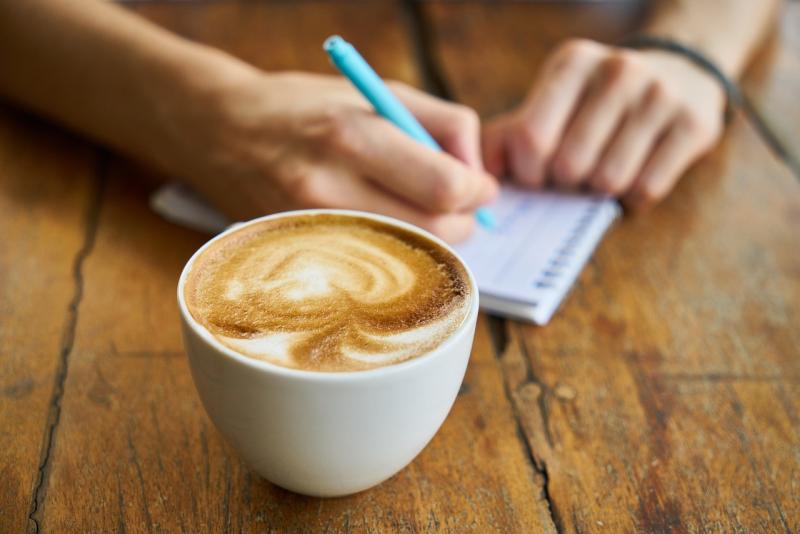
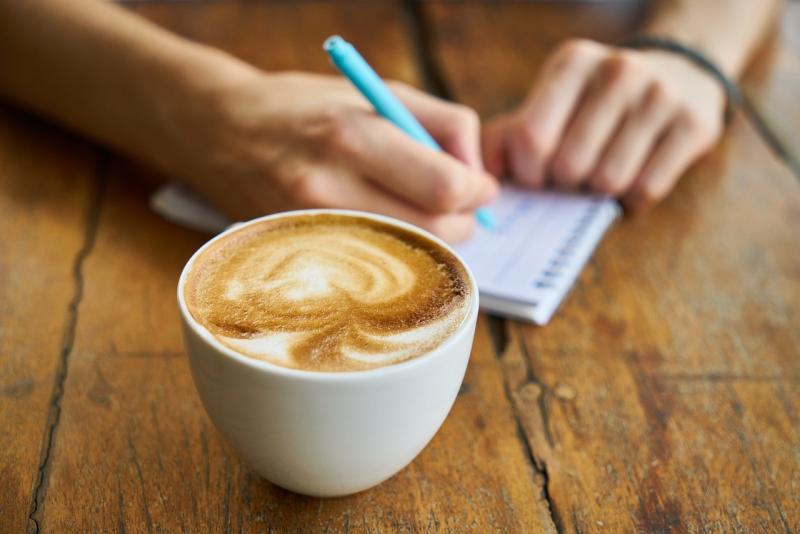
Social media has also transformed coffee culture. Everyone loves snapping pics of their lattes with heart art or colorful cold brews. These images don't just make us drool; they inspire us to try new things. Coffee has become a canvas for creativity. Baristas are like artists and inventors, constantly whipping up new flavors and brewing methods to keep us on our toes.
Lastly, the rise of specialty coffee means quality matters now more than ever. People really care about where their beans come from. Fair trade and sustainability are key issues. Coffee lovers want to know the growers are treated well and that the environment is respected. This shift is making a real impact on how coffee is sourced and enjoyed, leading us to appreciate every sip even more.